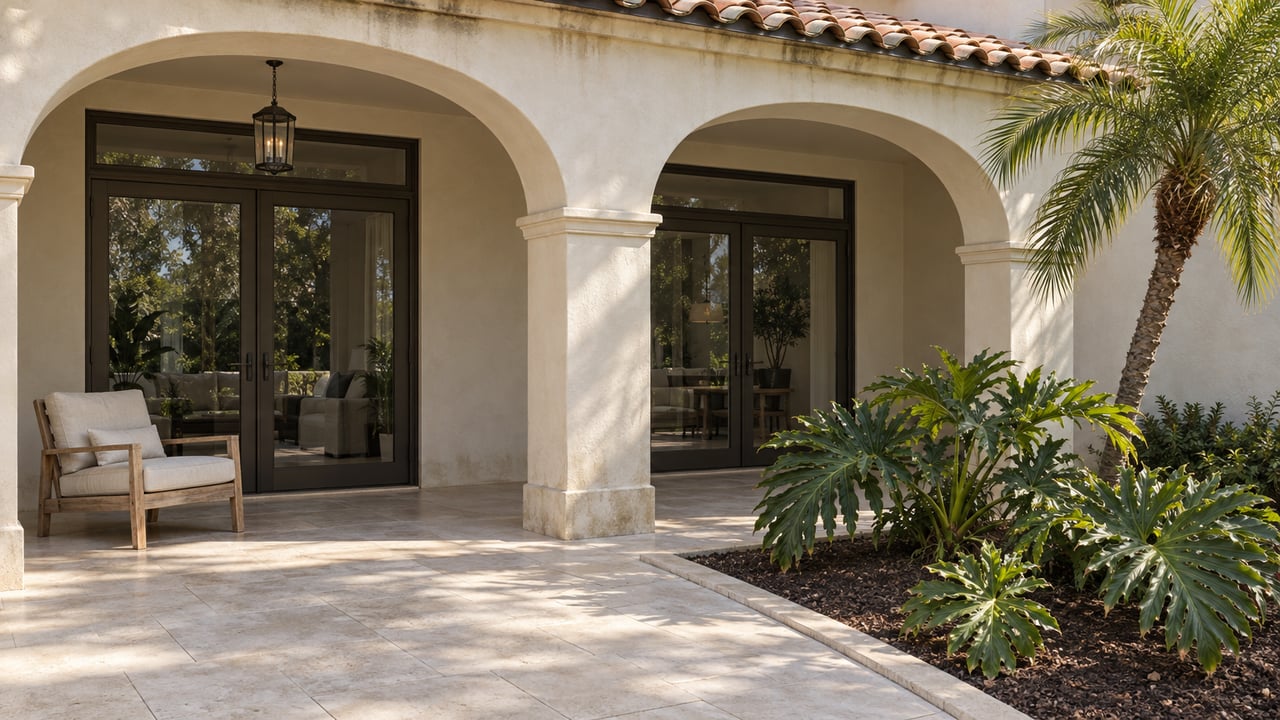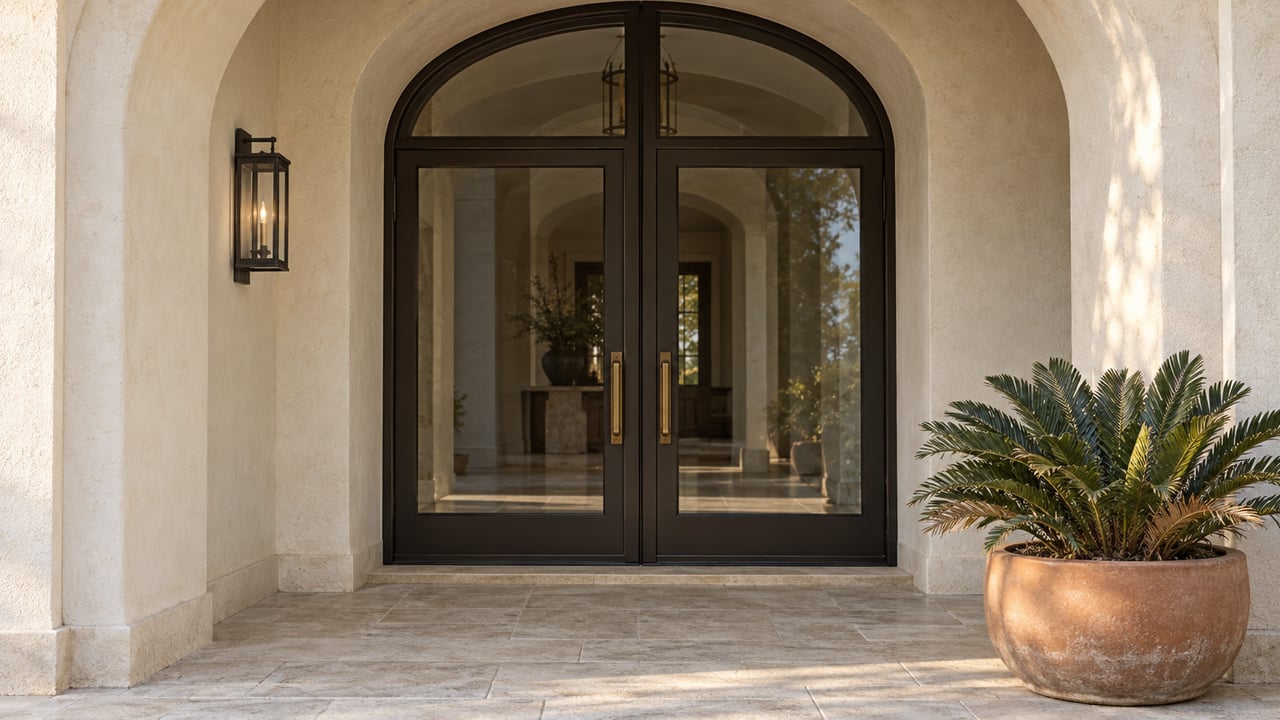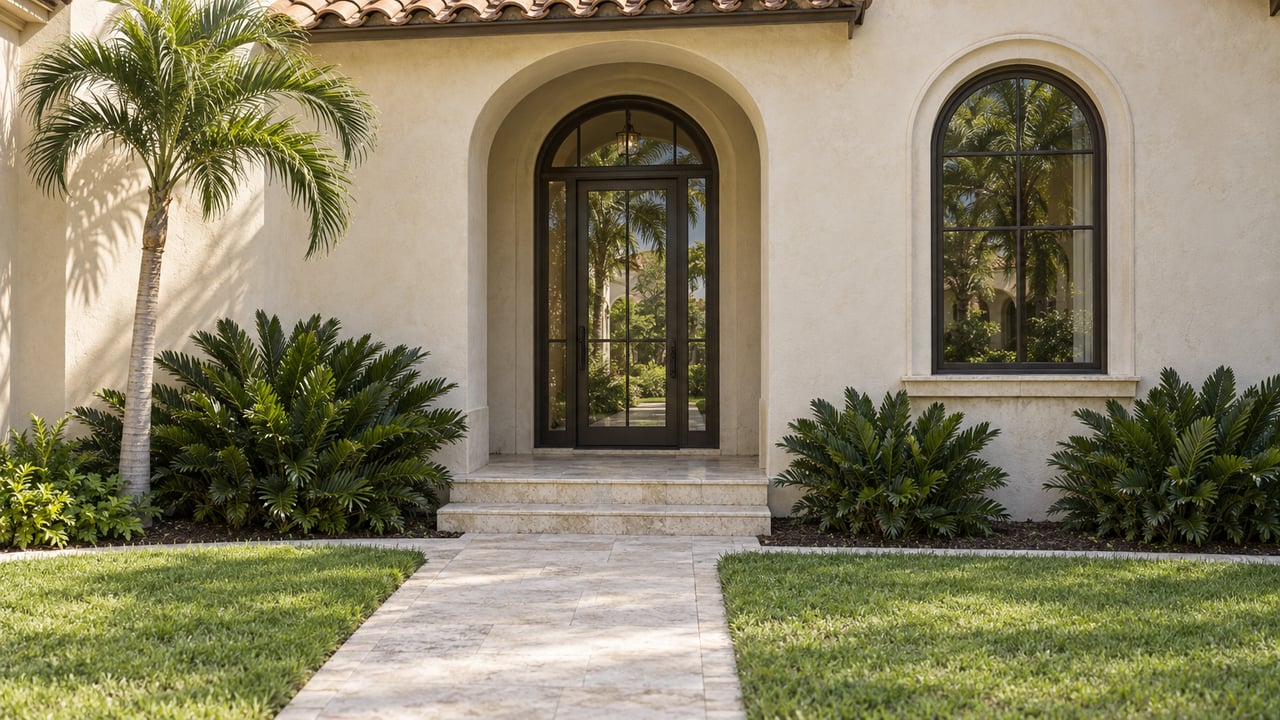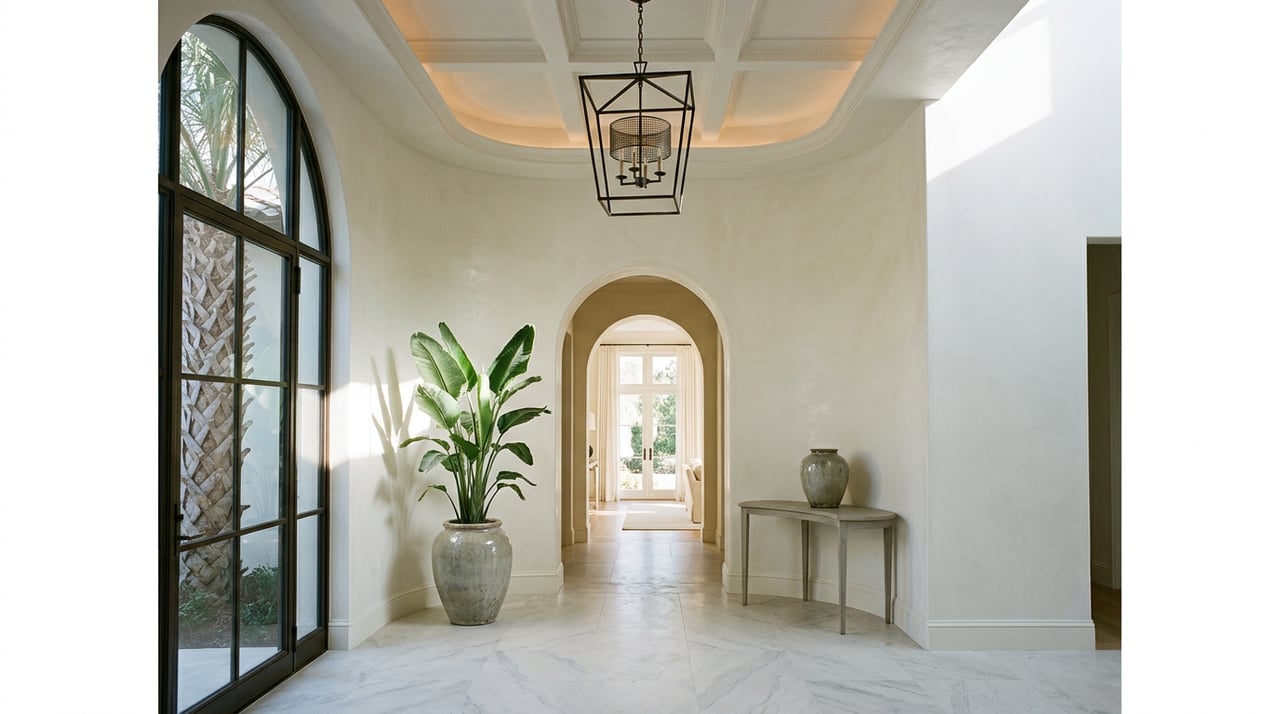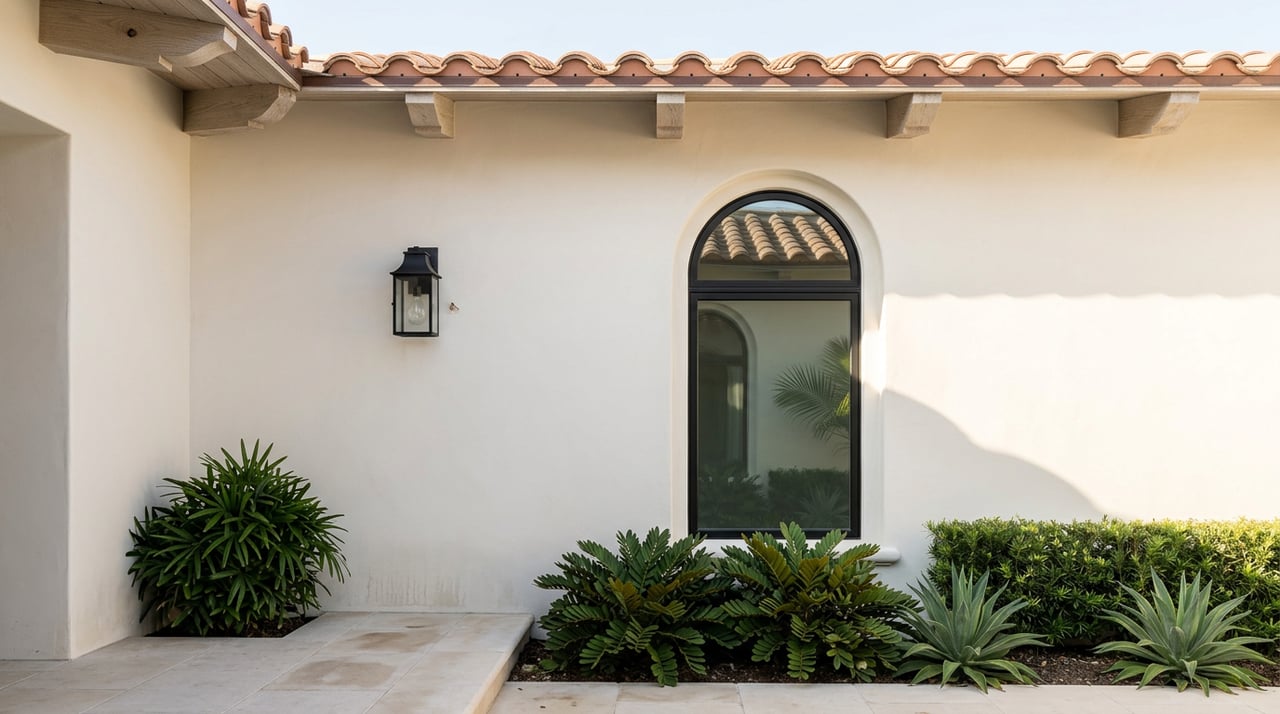
A buyer under contract on a seven-figure home in Country Club East is rarely worried about the house falling down. The homes are young, the builders are known, and the finishes have been curated within an inch of their lives. Then the inspection report lands, and the deal starts wobbling over a tile roof with plenty of life left in it and an HVAC system that cools beautifully but cannot keep the interior below 55% relative humidity in August.
The thesis of this post is simple. In Lakewood Ranch, the inspection contingency is not really a referendum on the house. It is a referendum on whether the house will remain insurable at the price the buyer agreed to pay. The findings that break luxury transactions here are almost never structural defects. They are insurance triggers.
The question a Lakewood Ranch buyer's inspector is really answering is not "is this home sound?" It is "will a Florida carrier still write this policy, at this premium, on the closing date printed in the contract?"
Why the standard inspection playbook misfires here
Most inspection guides are written for a housing stock that does not exist in Lakewood Ranch. They warn about 40-year-old panels, cast-iron drain lines, and the classic 4-point trigger at 30 years of age. Citizens Property Insurance requires a 4-point on every home 30 years old or older to bind or renew coverage, and a handful of private carriers pull that trigger as early as 10 years. In a community where a large share of inventory dates from the last two decades, the 4-point is often not the friction point at all.
The friction is different. It sits in three places specific to this market:
- Roof condition scrutiny that ignores the roof's age
- HVAC systems sized for cooling but not for dehumidification
- Wind mitigation credits that either arrive at the closing table or do not
Each of those interacts with a Florida insurance market that has been rewriting its own rules for four years running. The inspection report is the document that decides which side of those rules the property lands on.
The roof: young in years, old in the eyes of a carrier
Lakewood Ranch is a tile roof community by preference and by covenant in most of its enclaves. Tile can serve 30 to 50 years with proper care, and metal is comparable. That does not stop an underwriter from denying a bind over a hairline crack pattern on the south-facing slope or a moisture reading in the attic decking below it.
Local inspection teams have been direct about the pattern. A roof approaching the end of its useful life, or showing any moisture intrusion signature, has become a deal killer in Lakewood Ranch, with replacement costs frequently running past $10,000 and, in one documented case, forcing a $12,000 replacement after the carrier denied coverage over a small ceiling stain the buyer had waved off. The scenario that shows up again and again is subtle. A buyer accepts a minor stain during the walkthrough, the underwriter sees the same stain on the inspector's photos, and the policy is suddenly conditional on a full roof replacement before the funding date.
What this means at the negotiating table:
- On a Lakewood Ranch listing with a roof over ten years old, order the roof certification early in the inspection period, not late. Carriers commonly ask for a remaining useful life estimate before binding.
- If the general inspection flags any attic moisture, do not assume it is a maintenance item. Treat it as an underwriting item.
- Sellers preparing a listing in The Lake Club, The Concession, or Country Club East benefit from ordering a pre-listing roof assessment. Roofing outfits including Suttle Roofing, Finch Roofing Solutions (whose founder Randy Finch personally handles inspections), Florida Southern Roofing, and RoofSmith of Florida all work this market. The point is not the vendor. The point is going into the inspection period with a documented answer to the carrier's question already in hand.
HVAC: the finding that catches out-of-state buyers
The single most misread line in a Lakewood Ranch inspection report is the HVAC section. A buyer relocating from the Northeast reads "system cools to setpoint, no visible deficiencies" and moves on. A local inspector reads the same report and asks a different question: is the system properly sized to dehumidify a home built to modern envelope standards in August?
Under-sized or over-sized units both cool the air. Neither one holds indoor humidity where it needs to be. The consequence in this climate is mold behind baseboards, warped millwork, and air quality complaints that surface three months after closing. Repairs and replacements in this category commonly run $5,000 or more, and the cause is almost never that the equipment failed. The cause is that the equipment was specified for a different question than the one Florida humidity actually asks.
For luxury sellers, this is where a data-driven pricing conversation earns its keep. A house with a documented, correctly sized system and recent service records defends its price during due diligence. A house without them absorbs a credit request that could have been prevented for a fraction of the cost.
The WDO inspection is a separate order
Buyers assume the general inspection covers termites. In Florida practice, it does not. A wood-destroying organism report is a separate service, ordered from a separate provider, and it needs to be scheduled inside the same 10 to 15 day inspection window written into the standard Florida contract. Skipping it because "the house is only eight years old" is how a Lakewood Ranch buyer ends up with $7,500 in structural repairs six months after closing, a scenario local inspection reports have documented in this exact form.
The remedy is procedural, not technical: order the WDO the same day you order the general.
Wind mitigation is where money actually moves
Everything above is about avoiding losses. Wind mitigation is where the buyer can generate savings measured in real money, every year, for as long as they own the home. Florida law mandates premium discounts for specific wind-resistant construction features, and those discounts can reach 45% of the windstorm portion of the premium when the qualifying features are all present. On a luxury home in a coastal wind zone, that is not a rounding error.
A wind mitigation inspection documents eight categories on the state's Uniform Mitigation Verification form. The five that most often move the number on a Lakewood Ranch home:
| Feature | What the inspector documents | Why it matters here |
|---|---|---|
| Roof covering | Installation date, code compliance | New construction post-FBC 2007 typically qualifies |
| Roof deck attachment | Nail size and spacing | 8d nails at 6"/12" is a common credit trigger |
| Roof-to-wall connection | Clips, straps, or wraps | Double wraps carry the largest credit |
| Roof geometry | Hip vs gable vs other | Hip roofs earn a standalone discount |
| Opening protection | Impact glass or shutters throughout | Whole-home coverage is required for the full credit |
The 2026 economics are favorable. A wind mitigation inspection runs roughly $100 across most of Florida, with local Sarasota and Manatee providers commonly around $150 stand-alone or bundled with a 4-point starting near $275. The report remains valid for five years absent any change to the roof, windows, or doors. Even at $150, amortized over five years, it is the least expensive line item in the transaction and often the highest-return one.
For sellers, this changes the marketing math. A listing that arrives with a current wind mitigation report attached to the disclosures is a listing that a buyer's insurance quote can be built against on day one. That is a real closing-cycle advantage in a market where insurance timelines have derailed more Lakewood Ranch deals in the last two years than any other single factor.
New construction is not exempt
The most expensive assumption a Lakewood Ranch buyer can make is that a house built last year does not need inspecting. Independent inspections routinely catch drainage grading that pools water toward the foundation, undersized AC installations, missing roof permits, and installation defects the builder's warranty crew never noticed. Local inspectors offer pre-drywall walkthroughs and the 11-month warranty inspection that lets an owner flag defects while the builder is still contractually on the hook. Firms working this market include SWF Home Inspections, in the area since 2003, and Gulf Coast Home Inspections of Lakewood Ranch, founded in 2023 by state-licensed inspector Trevor Douthett. Hope Home Inspections covers Sarasota and Manatee under the same insurance-report framework.
A cleaner sequence for luxury buyers
The Florida inspection period is negotiated into the contract and typically runs 10 to 15 days. Inside that window, the sequence that keeps Lakewood Ranch deals from stalling looks like this:
- Day 1: general inspection, WDO, and wind mitigation ordered simultaneously
- Day 2 to 4: reports back, insurance quote submitted to at least two carriers with the wind mitigation form attached
- Day 5 to 7: any roof, HVAC, or moisture concerns escalated to specialist evaluation
- Day 8 to 10: repair, credit, or price negotiation based on the underwriter's response, not just the inspector's summary
- Day 11 to 15: contingency release or contract exit
The order matters because the underwriter, not the inspector, is the party whose opinion controls the closing date.
Frequently asked
Does a newer luxury home in Lakewood Ranch need a 4-point inspection? Usually not, because most carriers trigger 4-points at 30 years, and Citizens uses the same threshold. Some private carriers ask as early as ten years. Confirm with the specific carrier before assuming.
How long is a wind mitigation report good for? Five years, provided no alterations are made to the roof, windows, or doors.
Who pays for repairs found during inspection? Negotiable inside the inspection period. Buyers can request repairs, credits, or price adjustments, or cancel and recover the deposit. Once the inspection period closes, the leverage collapses.
Should a seller order a pre-listing inspection? On a luxury home in this market, yes. It moves surprises out of the buyer's discovery window and into a period when the seller controls the response. Sellers who arrive at listing day with a current roof certification, a wind mitigation report, and a documented HVAC service record close faster and with fewer credit requests.
The through-line across all of this is that a Lakewood Ranch inspection is not a report card. It is a set of inputs to an insurance decision that has to land inside the contract's timeline. Handling that decision well is a matter of sequencing, specialists, and knowing which findings the underwriter will actually read.
If you are preparing a luxury home for the market in Lakewood Ranch, or evaluating one to buy, Shanahan Luxury Group will coordinate the pre-inspection strategy, specialist referrals, and underwriter-ready documentation the transaction actually turns on. Request a VIP Consultation to begin.